November 3, 20214 yr 5800X3D, RTX4070, 600 Watt, one or two 1440p 32" screens, 64 GB RAM, 4 TB PCle 3 NVMe, Warthog throttle, VKB NXT EVO stick, Honeycomb Alpha yoke, CH quad, 3 Logitech panels, 2 StreamDecks, Desktop Aviator Trim Panel. Crystal Light VR.
November 3, 20214 yr I hope it recovered. Noel The tires are worn. The shocks are shot. The steering is wobbly. But the engine still runs fine.
November 3, 20214 yr Author That short video would be a good learning tool for piloting classes. Show the video and ask the students to explain what happened and what moral they should take from the plane's behavior. I'm glad I'm not in that class. I would not have very wise comments to make. 5800X3D, RTX4070, 600 Watt, one or two 1440p 32" screens, 64 GB RAM, 4 TB PCle 3 NVMe, Warthog throttle, VKB NXT EVO stick, Honeycomb Alpha yoke, CH quad, 3 Logitech panels, 2 StreamDecks, Desktop Aviator Trim Panel. Crystal Light VR.
November 4, 20214 yr That could have been a really bad ending. My computer: ABS Gladiator Gaming PC featuring an Intel 10700F CPU, EVGA CLC-240 AIO cooler (dead fans replaced with Noctua fans), Asus Tuf Gaming B460M Plus motherboard, 16GB DDR4-3000 RAM, 1 TB NVMe SSD, EVGA RTX3070 FTW3 video card, dead EVGA 750 watt power supply replaced with Antec 900 watt PSU.
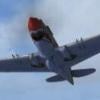
November 4, 20214 yr The plane did recover and land safely. Here's a link to the pilot's account of the incident. https://www.facebook.com/story.php?story_fbid=815758609269982&id=800288897 Quote PILOT's PERSPECTIVE: 1. The aircraft was inspected and is undamaged. 2. The jump run procedure entails setting flaps 60-80 and bringing back the left engine to flight idle. We also bring the left prop back to full coarse to minimize disking of the prop. This is to enable the jumpers to egress onto the outside step, which would otherwise be difficult due to the prop & thrust blast from the left engine. There is also the added danger of the blast pushing jumpers into the left elevator. Power is kept on the right engine to maintain altitude during the jump run, which typically takes 60 seconds. A fair amount of right rudder is required to fly a straight line in this configuration. Pilot to maintain 95-90 kts IAS. 3. The stall and subsequent spin happened when we allowed too many jumpers on the outside step, causing an aft center of gravity and excessive blocking of the airflow to the left horizontal stabilizer. The nose then pitched up beyond the controllability of the elevator. 4. I anticipated the stall when I hit the elevator stop. As the wing came over, I moved the right engine power and prop levers back to the flight idle position, thereby neutralizing the engine effect from both engines, centralized the ailerons and applied full right rudder (rudder was already in quite deep in at this point). The aircraft behaved very well, and the recovery was surprisingly easy. I pulled out as gently as possible as I did not want to stress the airframe. There was some additional instability when I pulled out of the dive and pushed the throttles forward to power up, as the one engine spooled up much quicker than the other and caused another asymmetrical moment. The flaps may have inadvertently helped to keep the airspeed low. AIS showed 140kts when I pulled out. 5. The incident was reported to CAA within 24 hours. They investigated (including a visit to our hangar) and they seem to be happy that the aircraft was operated and flown within its STC. 6. In future, no more than 5 jumpers will be allowed on the outside step. We will also brief the big formations to be wary of a pitch moment of the nose of the aircraft, so they can let go should this ever happen. This will also be placarded inside the aircraft and included in our King Air briefing for new jumpers. 7. I am sharing the above information because skydive ops is very different from normal operations and leave people wondering why we fly certain configurations during the climb, jump run and descent. The aircraft landed safely with the skydivers that did not exit. The incident was promptly reported to the South African CAA and PASA national safety and training officer. The next day the jump team made adjustments to their exit procedure following discussion with the pilot and no further incidents or near-incidents were experienced. And here's a better link to the video. Edited November 4, 20214 yr by goates
November 5, 20214 yr Lesson learned, they won't make the same mistake twice. My computer: ABS Gladiator Gaming PC featuring an Intel 10700F CPU, EVGA CLC-240 AIO cooler (dead fans replaced with Noctua fans), Asus Tuf Gaming B460M Plus motherboard, 16GB DDR4-3000 RAM, 1 TB NVMe SSD, EVGA RTX3070 FTW3 video card, dead EVGA 750 watt power supply replaced with Antec 900 watt PSU.
November 5, 20214 yr 19 hours ago, goates said: The plane did recover and land safely. Here's a link to the pilot's account of the incident. https://www.facebook.com/story.php?story_fbid=815758609269982&id=800288897 And here's a better link to the video. I was wondering if that thing I saw fly out as the pilot was recovering the plane was the giant poo that came out... Well recovered, lesson learned. Have a Wonderful Day -Paul Solk
November 5, 20214 yr Although maybe some pilot error to initiate the stall, was some great airman ship to recover without grenading the airframe. Kudos to the King of the sky!


Archived
This topic is now archived and is closed to further replies.