


David7700
Members
-
Joined
-
Last visited
Everything posted by David7700
-
Thanks for this topic. This has been driving me crazy.
-
Ditto. Glad it's not me. Also, top of the TCAS/VS guage flickers on and off for me.
-
-
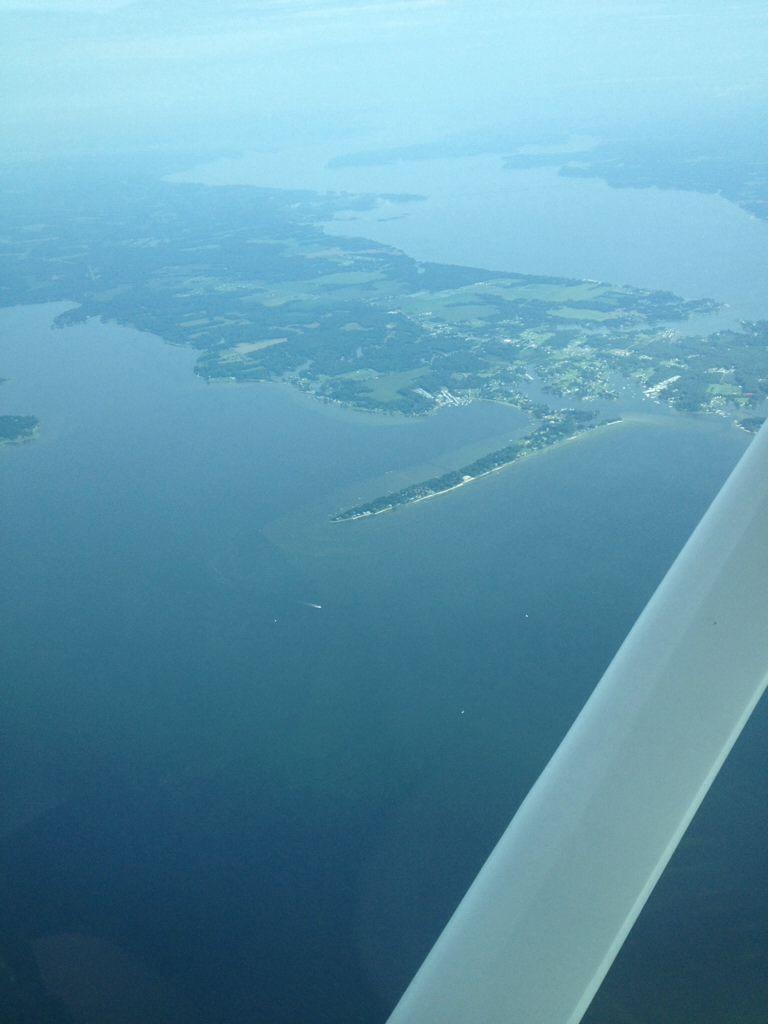
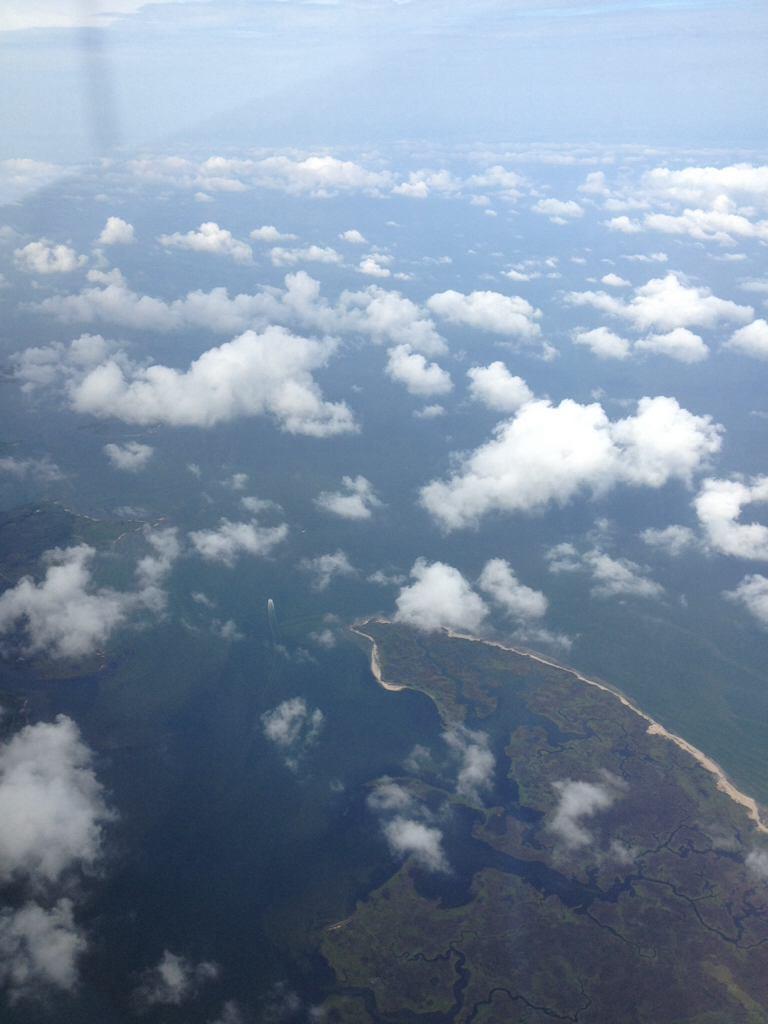
You flew over and didn't say hello?!? Here's some pics of the bay.
-
Hey!! My area!! Nice!
-
The best primer on the subject of C/S prop engine management was a series of articles written by John Deakin over on AvWeb. http://www.avweb.com/news/columns/182081-1.html http://www.avweb.com/news/columns/182082-1.html http://www.avweb.com/news/columns/182084-1.html http://www.avweb.com/news/columns/182085-1.html
-
These are all great ideas!! I'm going to try some of these.
-
What I do is climb out of pattern altitude with prop max and throttle max. Changing MP first is absolutely correct. You throttle back for climb, then pitch for climb. I use 25 squared (25 MP, 25 RPM) for climb in the R172K Hawk XP. As you climb, note MP decreases so you may have to increase the throttle to maintain 25 in/HG. I cruise at 23 or 24 squared, though at higher altitudes you can't get that MP with the throttle full forward. Having a CS prop is nice because of the fuel savings and performance you get. You get good climb performance as with planes that have a climb prop installed. But you also get good cruise performance, as with planes that have the cruise prop installed. Feel free to ask me any questions any time.
-
if there is a GPS, there's you're DME. Mine doesn't have DME, so if I don't have the 496, I don't have DME.
-
Thanks for asking the question and everyone's answers. I was wondering the same thing and am now going to put it on my short list!!
-
Beautiful!!
-
yes I'm finally gettting the hang of the Q400 from a basic ops standpoint....I can be ready for taxi now within 10 minutes following r/w procedures for a short flight....love hand flying from YVR to YYJ following SIDS and STAR...makes for a great short experience.... btw ...come on up anytime I\d be glad to guide you around some of our rivers cheers I'd love to fly fish up there!! One day, maybe.
-
I love flying and can whenever I get a chance (when work and family permits). Plane going down for the annual soon (I hate that part). It's a 1979 Cessna R172K Hawk XP. IO 360, fuel injected, 6 cylinder, 195 HP, constant speed prop. It's a great plane to fly. Also need to get my flight review in July. Anyone ever in the area and wants to go flying, give me a shout!!
-
Yes indeed. And I had trouble getting used to the idea of pulling the yoke all the way back, too!! I keep 50 pounds of weights in the luggage compartment of the plane when I fly with no rear passengers to help balance things out and assist me in keeping the nose up with less force on the yoke. The IO-360 is a heavy engine!!
-
A lot of people use a little nose up trim on landing to help keep the nose up as you decelerate down the runway (both to avoid a prop strike and for aerodynamic braking). I think I have a video somewhere of a short field takeoff where I trim to Vx, then level out, raise the flaps, and go to Vy. Look up my YouTube account: N8229Y It's there somewhere.
-
Vy for me is 81 KIAS. I take off, pitch to 81 knots. I then trim until the plane maintains 81 knots with no pressure on the yoke. That's it!
-
It's such a classic plane. I probably will get it. The VC looks amazing!!
-
-
Really nice!! The clouds look awesome!!
-
I've been admiring this plane for a long time. May have to buy this one. Looks awesome!!
-
Www.mycockpit.org Some of the stuff on there is incredible. I'd really like trying to make some of my own switches and panels someday.
-
If you want to help out patrolling your airport (in the US) and taking photos, contact your airport's AOPA ambassador. Check the AOPA airport directory. They even have an airport watch program. www.aopa.org/airports
-
Me too !!
-
The crab and kick method is a crab until just before the flare and then kicking into a slip. You will need aileron input to keep yourself in the center on the runway. Rudder keeps your nose pointed straight down the runway. The aileron is used to keep the plane over the centerline. By the way, I'm not very good at this either and need some practice. I'd like to get my TW endorsement because I've heard this helps with handling crosswinds in a tricycle gear aircraft like my R172K. I usually slip from a lot further back on final than the flare. I may crab down to the runway approach lights, then start my slip. One benefit of the slip early on is that (if you weren't aware of it, though you should have been) you will be able to quickly determine whether the crosswind exceeds your rudder input. There isn't a right or wrong answer, but airlines typically do crab and kick because passengers don't like the feeling during a pronounced slip in high winds. So they enter the slip during the flare. So as I'm entering the slip, I'm pushing down on the rudder pedal away from the wind to bring my nose around and keep it pointed down the runway. Then I'm using ailerons, upwind wing low, cross controlled, to stay centered on the runway. It's that cross controlled, near-stall configuration that requires some extra airspeed to avoid the stall.
-
That's where it was!! Couldn't remember.

